Necessary
Required for secure sessions, sign-in, CSRF protection, language selection and saving your cookie choice.
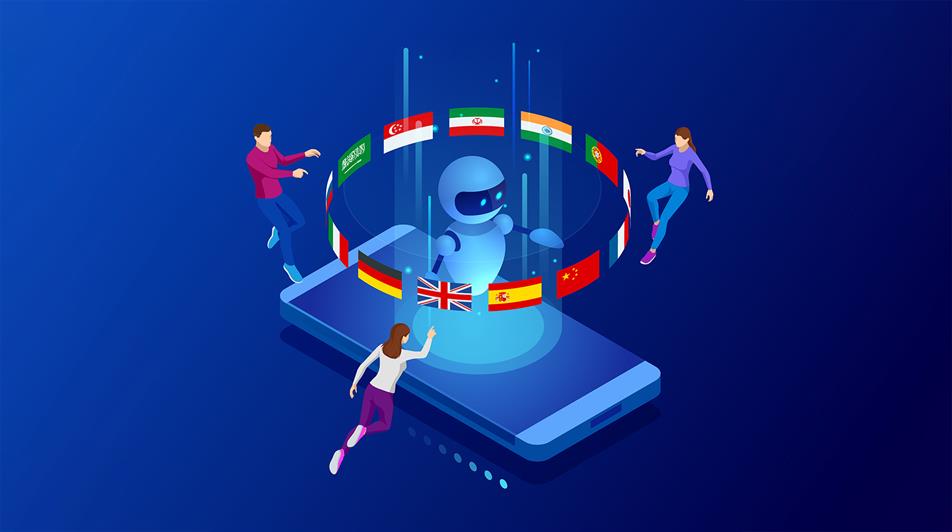
Check meaning, tone, numbers and professional terminology even when the translated text sounds fluent.
A fluent translation does not guarantee that meaning has been preserved. Small changes can matter in health information, service conditions and professional titles. Treat an AI translation as a draft for review rather than automatically as a finished publication.
Names, dates, fees, currencies, negatives and conditions need separate checks. “May be necessary” should not silently become “is always necessary.” One word can reverse a cancellation rule while the sentence remains grammatically smooth.
A professional title may not imply the same qualifications or permissions in another country. It may be better to preserve the original title with an explanation. Translation must not imply training or authority the person does not possess. Natural wording and professional accuracy need to work together.
Buttons, summaries and articles require different phrasing. A German heading may take more space. Check mobile layouts, truncation and line breaks. Error messages and empty states should be understandable in the selected language too.
Have important material checked by someone with relevant language and subject knowledge. Back-translation may reveal differences but is not a quality guarantee. When the original changes, translations need another review. Version notes can help prevent outdated information from remaining unnoticed in one language.
NIST — Generative Artificial Intelligence Profile (AI 600-1)
Your 8hope guide · AI-assisted
Enabling AI sends your message and a few previous chat messages to Groq. Hoppy does not store chat text in the database. Do not share identity, payment or detailed health information. Topic selection and saved answers work without AI.
Hoppy is an AI guide, not a therapist or emergency service.