Necessary
Required for secure sessions, sign-in, CSRF protection, language selection and saving your cookie choice.
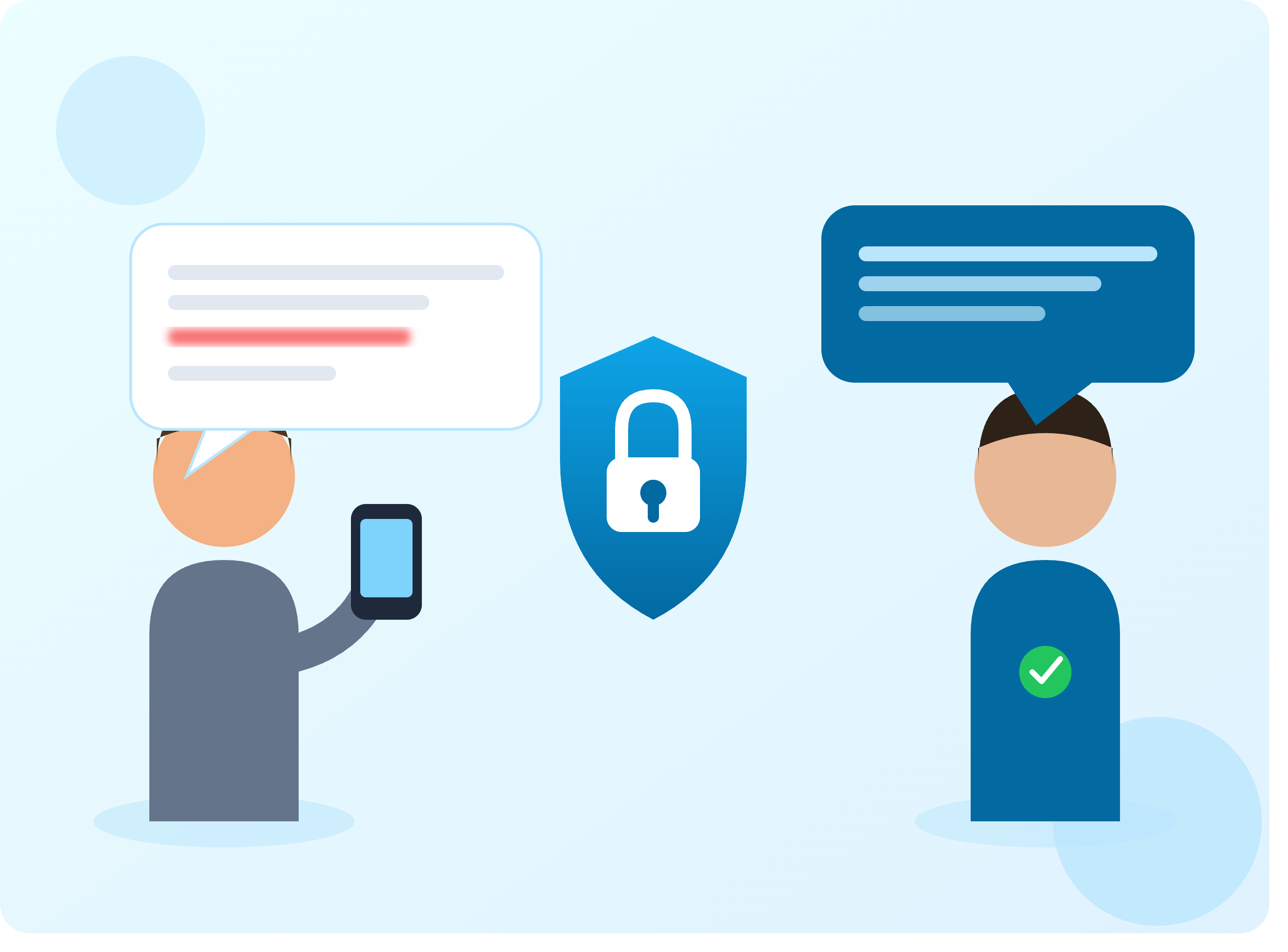
Avoid turning a public comment section into an individual consultation, especially when offering support services.
A visitor may post personal experiences or health details in a comment. A detailed, well-intended reply can expose even more private information. A professional account does not need to resolve every concern in public. General information and individual assessment should remain distinct.
Avoid publicly stating whether someone has used your service. Even if they disclose an experience themselves, adding details is a separate privacy decision. Do not reveal appointment dates, payments or session content.
Explain that the public space is unsuitable for personal assessment and identify a proper contact channel. Moving to direct messages is not automatically enough protection. Sensitive information requires a genuinely suitable, clearly defined route.
Do not publish someone's history to defend yourself. Solving a real problem is different from winning an argument. Use platform rules for abuse or threats and seek further help where appropriate. Criticism and misuse should not be treated as identical.
Decide who replies, which topics are excluded from public answers and when to escalate. Share these boundaries with your team. This article concerns communication planning, not legal advice; professional confidentiality duties need separate attention. Sometimes the more trustworthy reply is the one containing fewer details.
ICO — Data minimisation
Your 8hope guide · AI-assisted
Enabling AI sends your message and a few previous chat messages to Groq. Hoppy does not store chat text in the database. Do not share identity, payment or detailed health information. Topic selection and saved answers work without AI.
Hoppy is an AI guide, not a therapist or emergency service.